Have you Tried Blenderized Foods?
March is National Nutrition Month®. Eating healthy foods helps your body stay strong and feel good. Dietitians (people who help others eat healthy) think about good nutrition every day—not just in March! This month, you can learn more about the different kinds of healthy foods and choices you can make. It is a great time to put healthy eating at the top of your list!
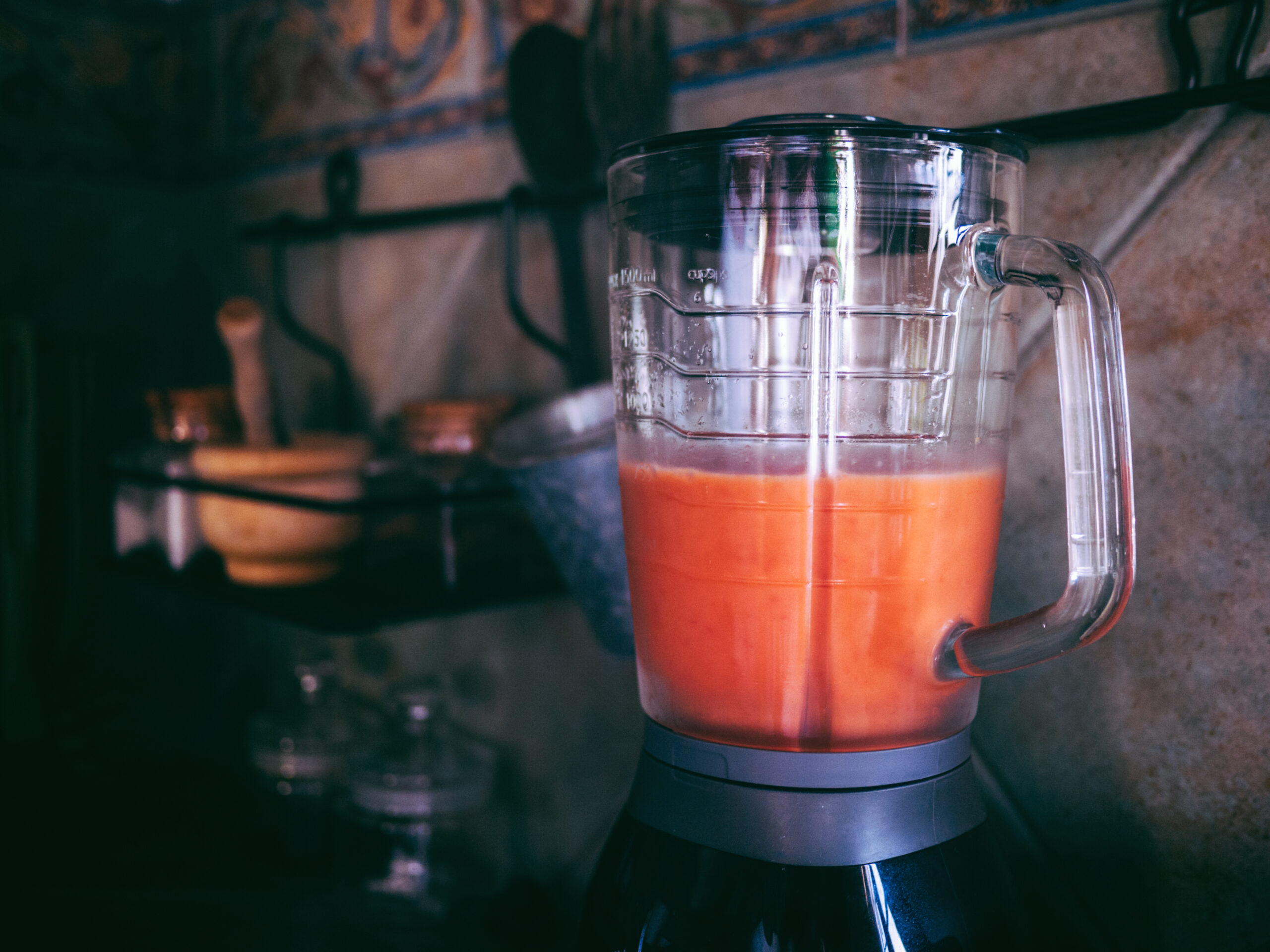
Nutrition Formulas can be commercially prepared (a company makes it) or homemade. Commercially prepared foods include different types of formula or blenderized foods, which means foods were mixed up in a blender. Blenderized tube feeding (BTF for short) is not new. However, in the last decade, there have been new companies that have begun making BTF. Some people add blenderized foods into their diets as a once-in-a-while supplement or use it as their main form of nutrition.
Reasons people use blenderized foods
- Allergies or feeding intolerance: Some tubies are allergic or intolerant to some of the ingredients that are in most standard commercial formulas. Those may include cow’s milk, soy proteins, or corn.
- Flexibility: For tubies who want a dairy-free diet, for instance, blenderizing lets them stay with the type of diet they prefer.
- Improved GI problems: Blenderized foods may improve GI (gastrointestinal) problems such as constipation or reflux. 1
- Lower food costs: For tubies who buy their ingredients in bulk, it may help avoid paying for costly commercial formulas if their insurance does not cover the formulas.
There is not just one way to have a blenderized diet. Talk with your healthcare team about blenderized foods.
Different ways to add blended foods to your tube feeding
- Baby your body: Your dietitian may tell you to try different pureed baby foods. This could serve as the base of your blenderized food recipe or be added to the mix with a tube feeding formula.
- Consider commercial: More ready-to-feed blended options are coming on the market. While they have been costly in the past, more insurance companies are starting to cover the expense. Your healthcare team or dietitian may be more comfortable with ready-made blended foods if they have concerns about tube feeding with non-formula foods.
- Homemade option: Some tubies make their own meals using a powerful blender that mixes whole foods until they can flow smoothly through the tube. If you decide to try making a blenderized meal, you could blend for every meal or just a few times monthly. A dietitian can help you with recipes to make blenderized foods.
There are many ways to have a blenderized diet. Here are some ways to help things go smoother.
Blenderizing tips
- Food safety: Follow guidelines for food safety and hygiene to help lower the risk of food-borne illness. Be sure to clean the blender with hot soap and water after using it.
- Avoid clogs: If you are not using commercial blended foods, it is vital to use a powerful blender and blend, blend, blend! You may need to strain your food, mix with liquids, or both to get a smooth consistency.
- Calories: You might need extra calories to keep your weight on track. Check with your dietitian to ensure you are getting the correct amount.
- Stay hydrated: Blended foods have varying water content, work with your nutrition team to figure out your hydration goals.
- Test flow rates. When using a blenderized formula, it may flow slower through your feeding tube because it may be thicker than a standard formula. Test the flow rates and adjust as needed. 2
Blenderizing foods may not be for everyone. It is not hard, but for some tubies, it is not easy either. And that is okay. You must want to do it and have the patience to learn a new “skill.” Most importantly, it takes your healthcare team and dietitian guidance. If you decide to go for it, you might find it is a healthy option for tube feeding.
National Nutrition Month® may be the right time to try blenderized food. Just be sure to talk with your dietitian and your healthcare team before you make the move!
This information is not intended to recommend a blenderized diet or replace professional medical care. Always follow your healthcare professional’s guidance.
- Fessler TA. Blenderized Foods for Home Tube Feeding. Today’s Dietitian. https://www.todaysdietitian.com/newarchives/011315p30.shtml. Published January 2015. Accessed March 1, 2021. ↩︎
- Guenter P. Further Updates on Blenderized Diet Use with the New Enteral Connectors. The Oley Foundation. https://oley.org/page/UpdateBlenderDiet. Published July/August 2014. Accessed March 1, 2021. ↩︎