Naso-Gastric (NG) Tube Procedure
What to Expect Before the Procedure?
Before the NG Tube is placed, your healthcare team will tell you what to expect. You will need to give verbal consent and it is good to have a loved one with you during the tube placement for support.
What to Expect During the Procedure?
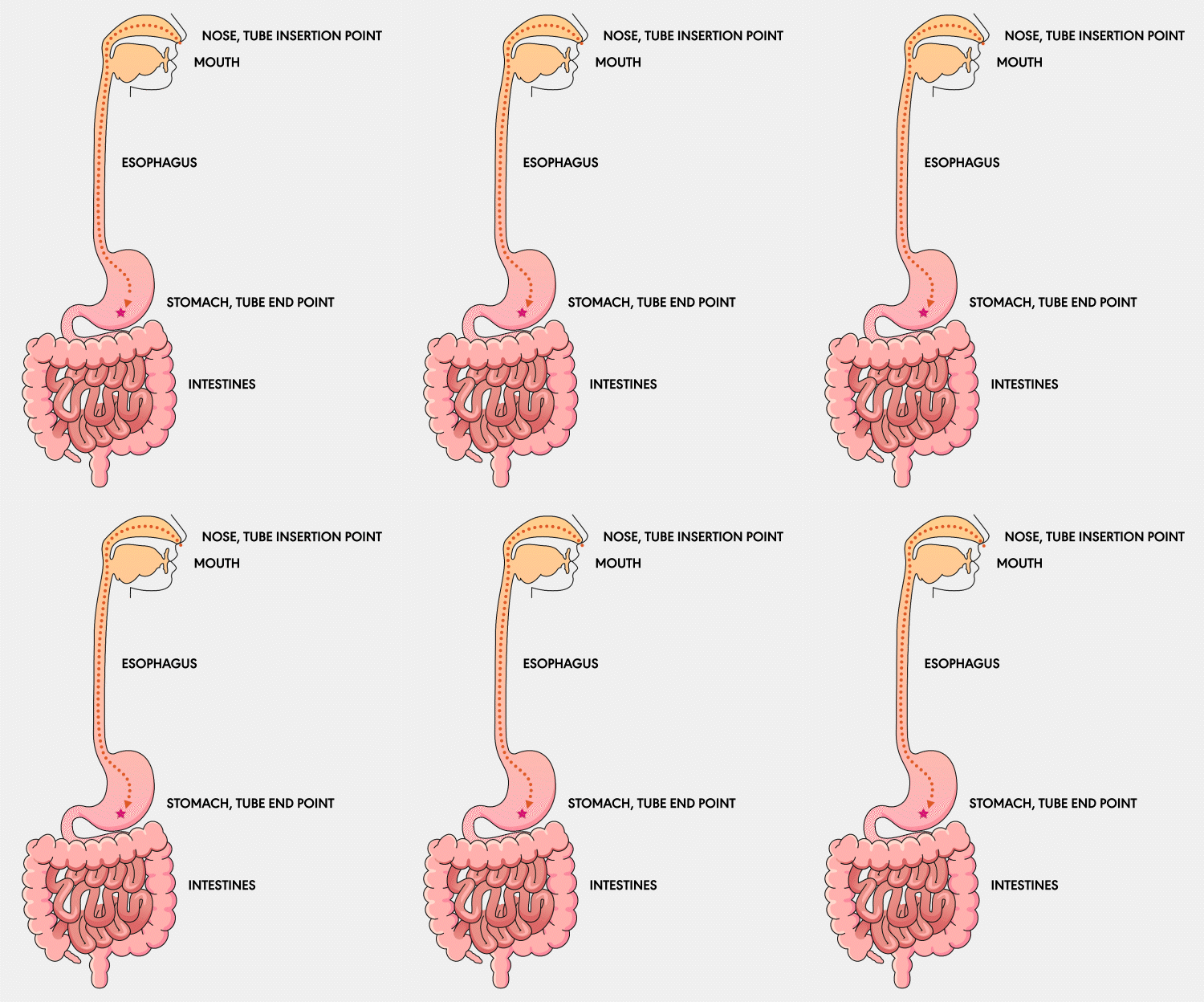
The healthcare team will measure the NG Tube before placing it to make sure the tip ends up in your stomach. During the procedure, it is common to be in an upright position for the procedure and to tilt your head slightly forward. This helps get the tube in easier. The tube will go in one side of your nose slowly. When the tube reaches the back of your throat, you will be asked to swallow to help the tube go down. If it is safe for you to drink, you can have a sip of water to make this easier. Then the tube goes down the esophagus (the food pipe) and into the stomach. The tube is secured either with tape on the nose or face, or with a small medical product. This will help keep the tube from moving.
Extra equipment is used to make sure that the tube is in the correct position. This might be an x-ray or an electromagnetic placement device.
All medical and surgical procedures have some risks. Your healthcare team should explain the risks to you before the procedure.
Here are some possible risks:
- The tube may accidentally go into the lungs. This can be dangerous, and it is important to check its position before anything is put down the tube.
- The tube can sometimes move out of place or fall out. This may happen if you have a lot of coughing or vomiting. If this happens it can easily be replaced.
The procedure is not usually painful, but it may be uncomfortable.
What Should I Expect After the Procedure?
Before the tube can be used the nurse will check to make sure it is in the correct place, which should be in your stomach. Fluid will be drawn out of the tube to check the acidity. The stomach contains a strong acid, so a pH test will be used to make sure that the fluid is acidic. An x-ray could also confirm the position of the tube.
You may be able to take sips of water and eat small amounts of food after the procedure. Ask your healthcare team if this is possible.


What Should I Expect at Home?
Before you leave the hospital, you should be given an appointment for a check-up. This might be back at the hospital, the feeding tube clinic, or at home by the home health team. You will also be given instructions and emergency contact details in case you have any problems.
Key Takeaways for Home:
- Practice “good” tube and skin care
- Understand the feeding schedule
- Flush your tube regularly
- Know what to do with concerns
When to call your healthcare team
NG Tubes are a safe way to get nutrition and fluids, but sometimes problems can happen. If you notice any of these, do not put anything else down the tube until you have talked to your healthcare team. You might need to go back to the hospital to have the tube checked.
Here are some reasons to call your healthcare team:
- Severe pain, especially if this happens while the tube is being used for feeding or medicine
- The tube falls out or moves out of place. If this happens you may need to have the tube replaced.