Blenderized Food for Tube Feeding
From Your Golden Doodle Buddy 🐾

Medically Reviewed by Janel Ganz, BSN, RN, Enteral Feeding Specialist
Hi there! It is your trusty golden doodle, Ava, here to lend a paw. Let me tell you about this blenderized diet thing in a way that is easy to chew on (though not literally for tube feeding). Ready? Let’s dig in!
What is Blenderized Food?
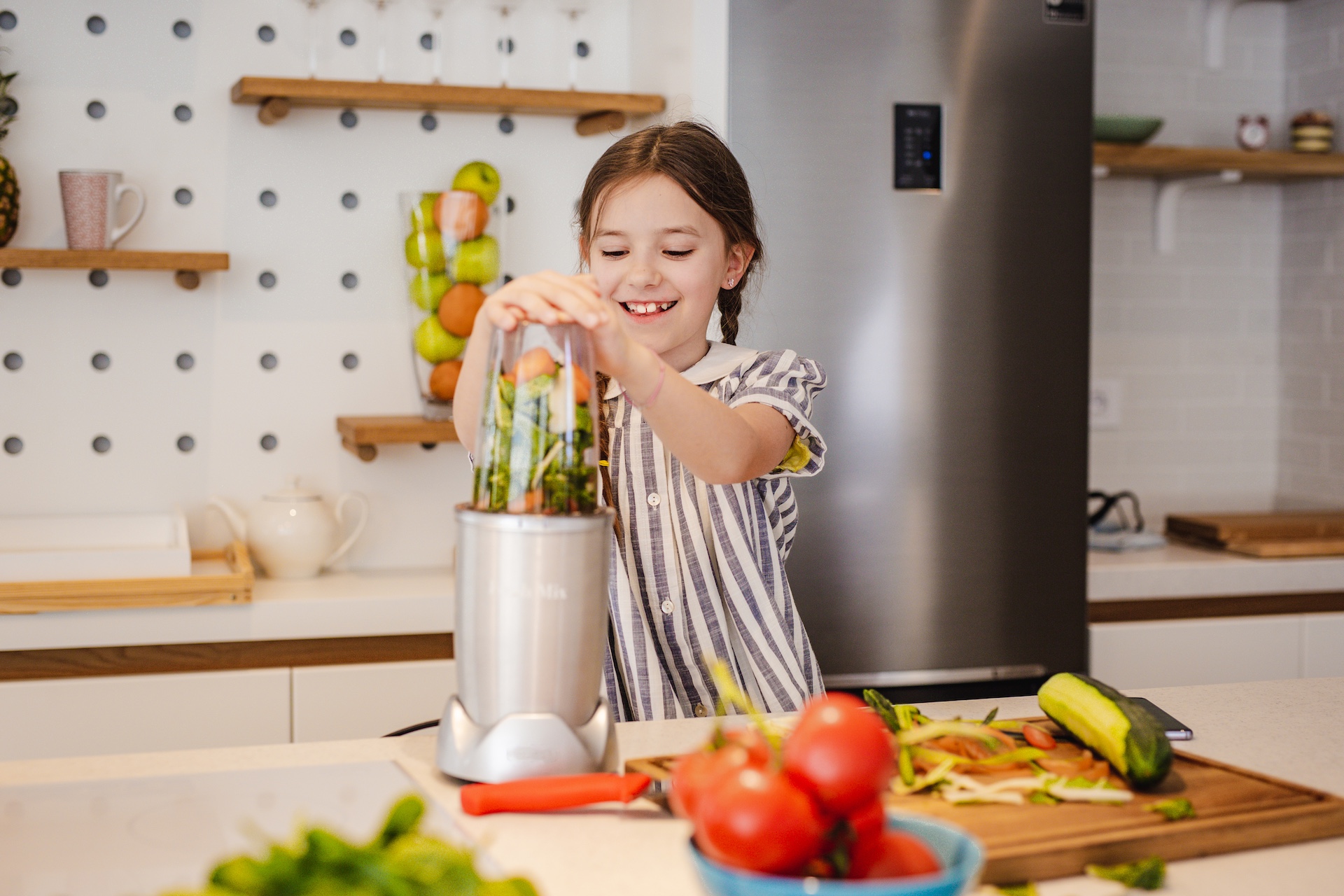
Blenderized food is like a homemade feast, but it is mashed up to a smooth thick liquid (like a shake). This way, it will flow through a feeding tube. It is made from real, healthy ingredients—like the yummy stuff you eat—and will meet your body’s needs.
Key Considerations (aka, My Food Bowl Rules 🐕)
- Balanced Nutrition: The blended foods need proteins (like chicken or beans), carbohydrates (like rice or oats), healthy fats (like olive oil, avocado), plus vitamins and minerals (like veggies and fruits). Think of it as a complete plate of food, but in liquid form!
- Calories and Hydration: People need enough energy and fluids, just like you make sure my water bowl is always full! Ask a dietitian how much is just right for you.
- Smooth Texture: No lumps allowed! Use a powerful blender to get it silky-smooth. Strain if needed, so the tube does not clog. Even the smallest chunks can clog a feeding tube.
- Clean Prep: Keep those paws—I mean hands—clean. Use sparkling utensils. Store any extras in the fridge or freezer right away. No one likes tummy trouble!
- Tube-Friendly Consistency: If the tube is small, keep it thin. Thicker blends need a bigger tube, syringe, and/or extension set. I do not want you to have clogs in your feeding tube!
- Portion Smart: Divide the mix into serving sizes. Label them with the date. Organization is everything, just like my toy stash!
- Easy Flow: Thin the blended foods with water, broth, or juice if needed. Warm it up a little bit before feeding through the tube, but not too hot!
- Allergy Awareness: New foods are like new treats—try a little at a time and watch for any reactions.
Tips for Tail-Wagging Success
- Batch Cooking: Make big batches, divide them out to the right sizes, and freeze for later. This will save you time – and then you can play with me!
- Mix It Up: Rotate ingredients to keep things tasty and nutritionally balanced.
- Watch for Signs: If there is bloating or discomfort, change things up and call the vet—oops, I mean dietitian!
- Get Expert Help: A dietitian can help create recipes that meet everyone’s needs.
- Invest in Tools: A high-powered blender is your best friend after me.
You got this! Together, we can make mealtime happy and healthy for everyone. 🐾